
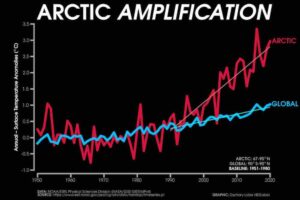
Arctic temperature rise graphed against global trend (source: NOAA Earth System Research Laboratories (ESRL)
The Arctic is warming 2.5 times faster than the rest of the world. Under all IPCC scenarios, even the most optimistic one, the Arctic Sea will be completely ice-free during the summer as soon as the 30’s or 40’s. Consequently, the Arctic will lose its power as a “global refrigerator” and regulator of global temperature. An ice-free summer will create a self-reinforcing feedback loop as the ice sheets will not be able to reflect the heat and energy of the sun (the Albedo effect). Instead, the dark ocean will absorb most of the heat which further accelerates the temperature increase of the Arctic Sea and the melting of the remaining ice.
The amplification of melting has many devastating consequences, such as further global warming, the potential release of vast methane reserves from under the seabed, accelerated melting of the Greenland ice sheet, and the increase of extreme weather events in the Northern Hemisphere. What happens in the Arctic, does not stay in the Arctic. The National Snow and Ice Data Center (NSIDC) is a great resource with up-to-date information on the Arctic and Antarctic.
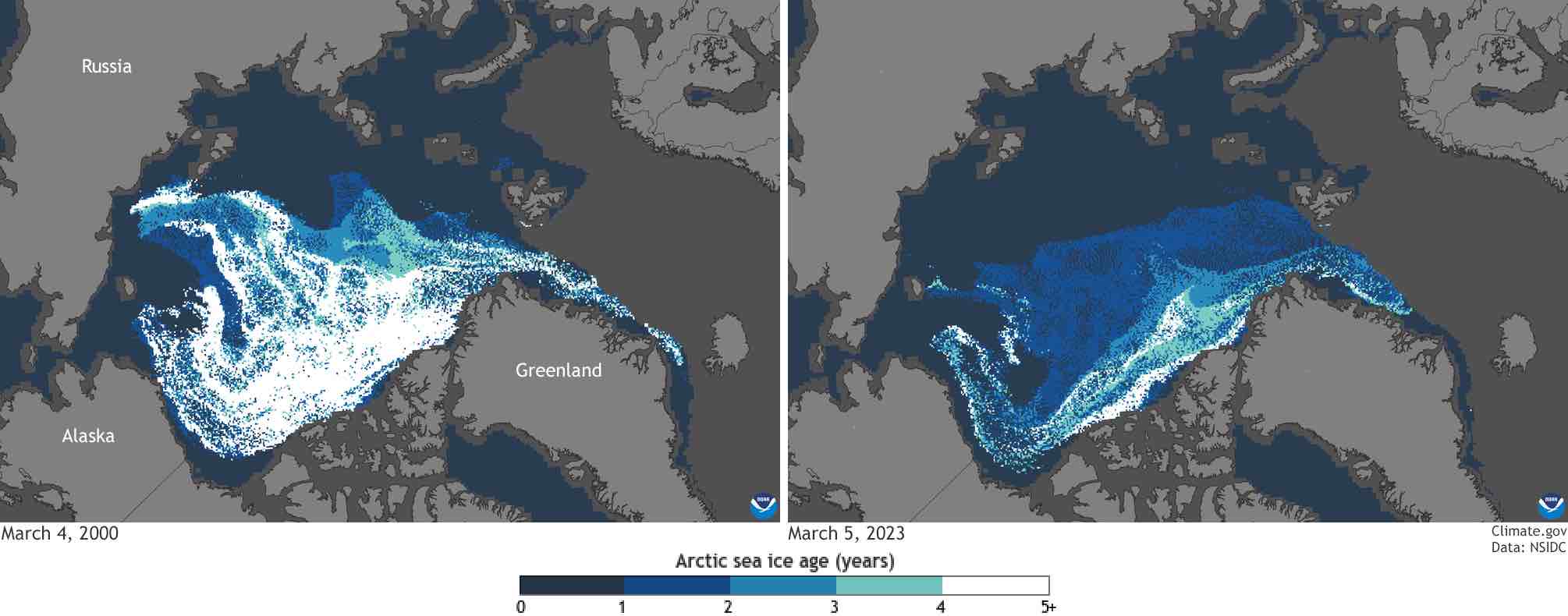
.There has been a significant reduction in older ice
IPCC scenarios
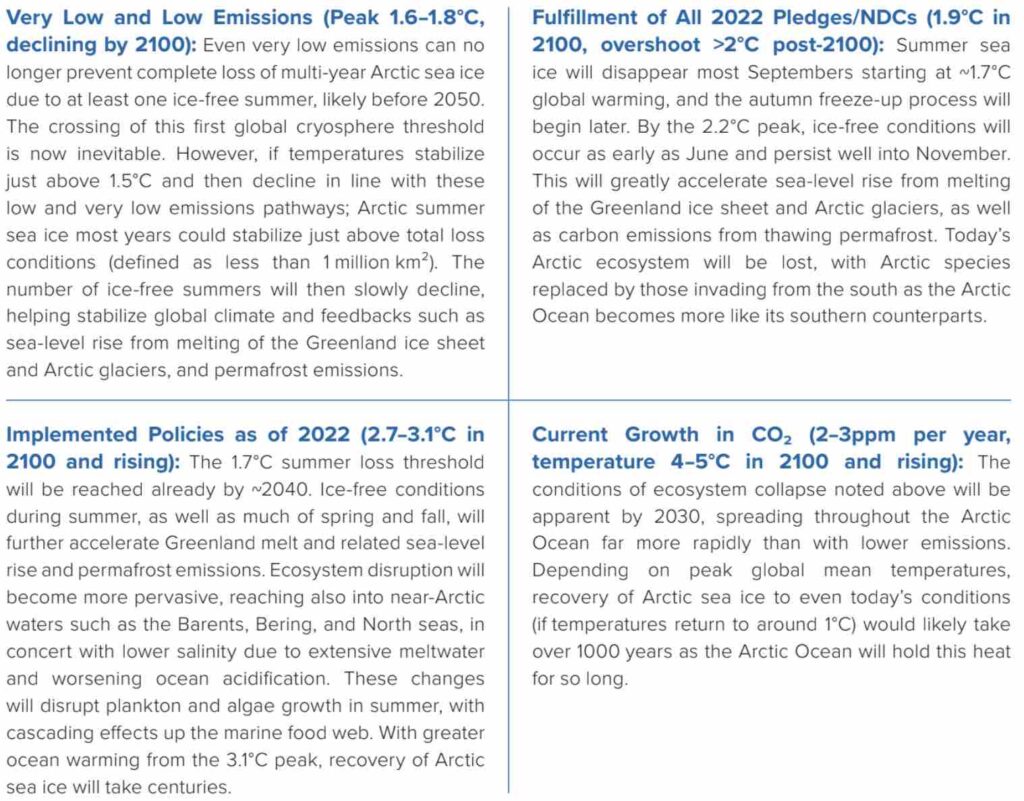
The Intergovernmental Panel on Climate Change (IPCC) is an organization of the United Nations that evaluates the risks of climate change. The panel consists of hundreds of experts from around the world, including universities, research centers, businesses, environmental organizations, and other organizations. In the ‘State of the Cryosphere’ report 2022 by the International Cryosphere Climate Initiative (ICCI), the impact of the different possible IPCC scenarios are determined specifically for the cryosphere. In all of these scenarios, the Arctic summer sea ice will disappear.
Our Research
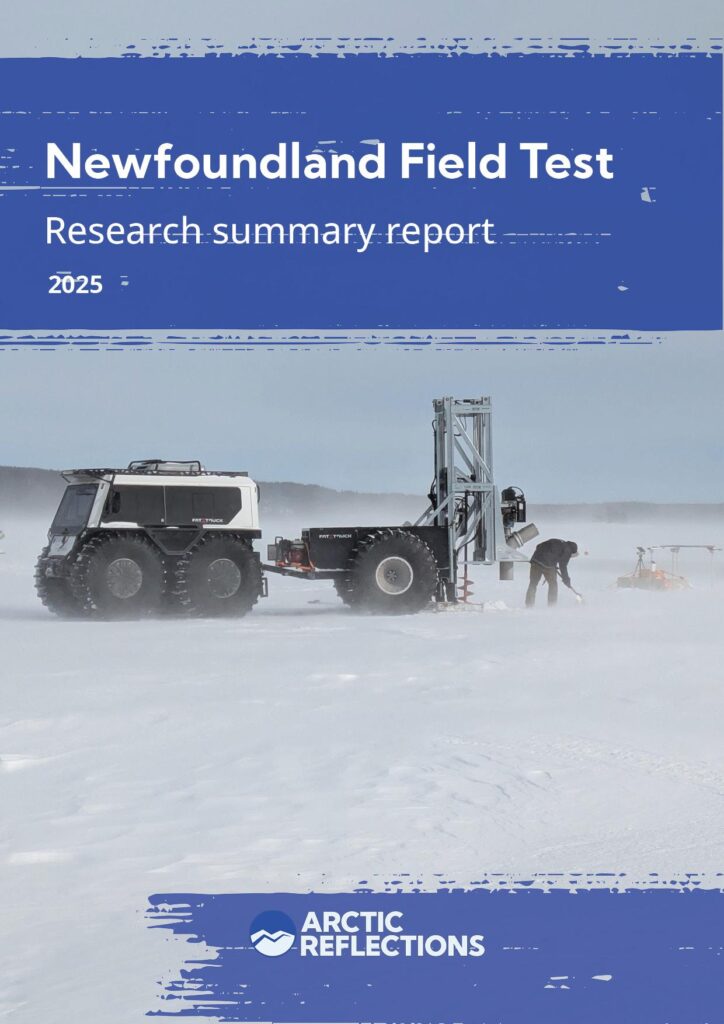
Arctic Reflections – Newfoundland Research Summary Report (2025)
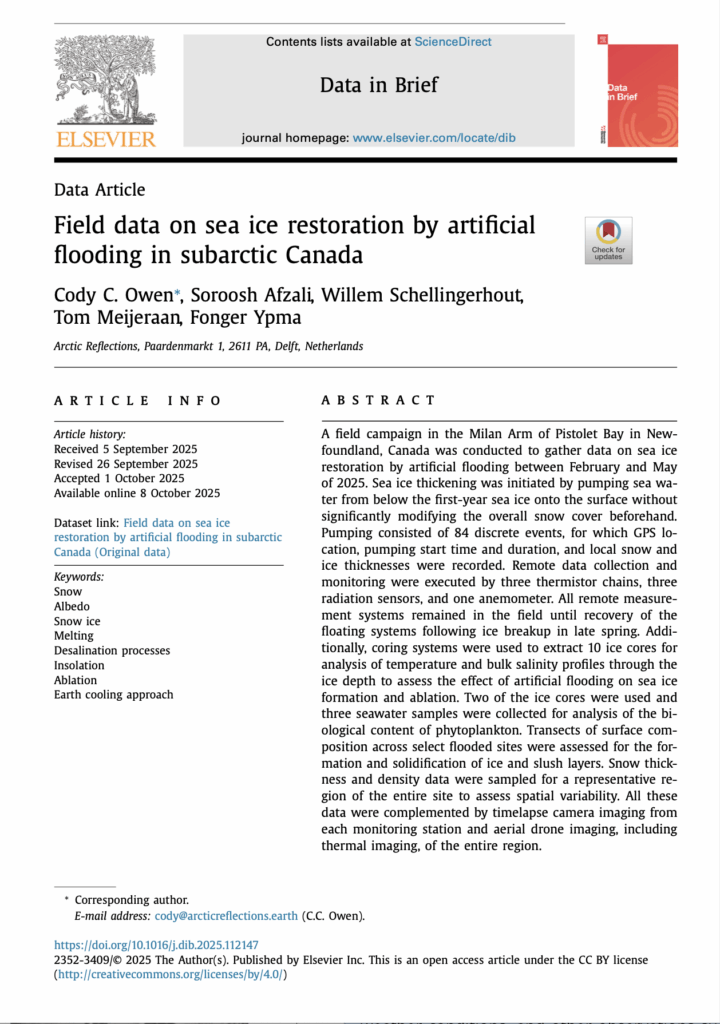
Cody C. Owen, Soroosh Afzali, Willem Schellingerhout, Tom Meijeraan, Fonger Ypma – Field data on sea ice restoration by artificial flooding in subarctic Canada (2025)
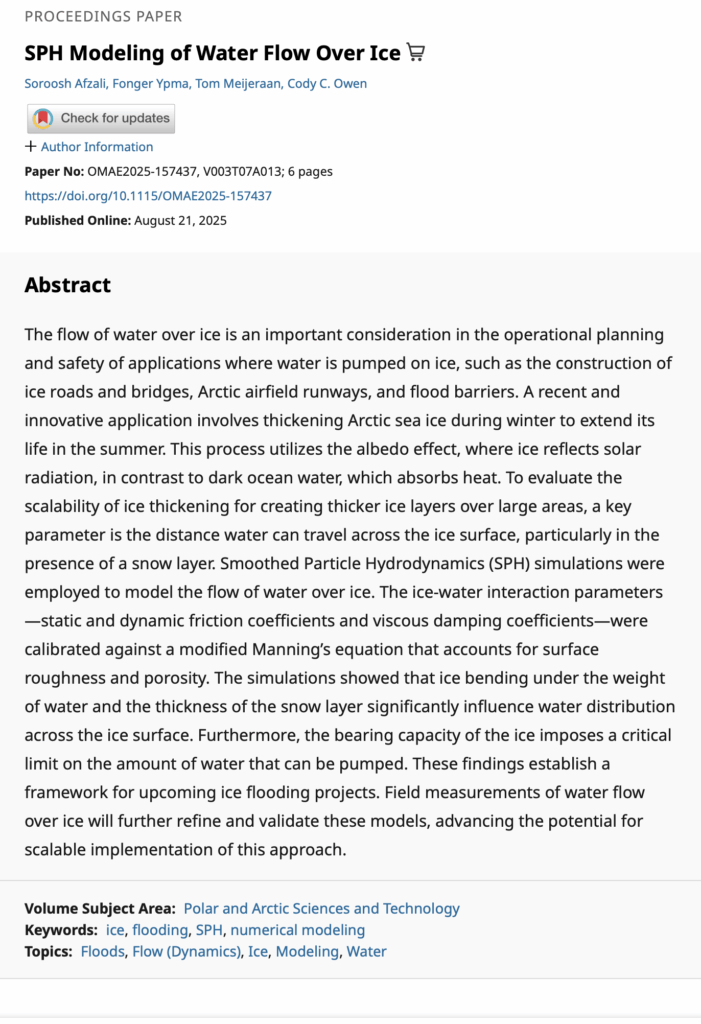
Sorrosh Afzali, Fonger Ypma, Tom Meijeraan, Cody C. Owen – SPH Modeling of water flow over ice (2025)
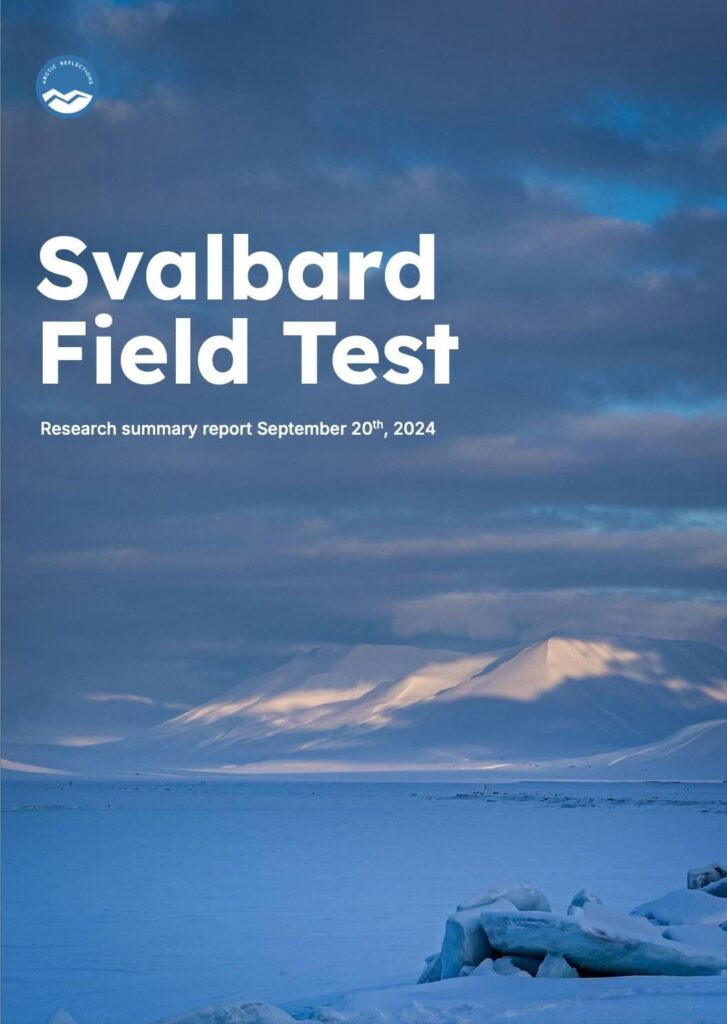
Arctic Reflections – Svalbard Field Test Research Summary Report (2024)
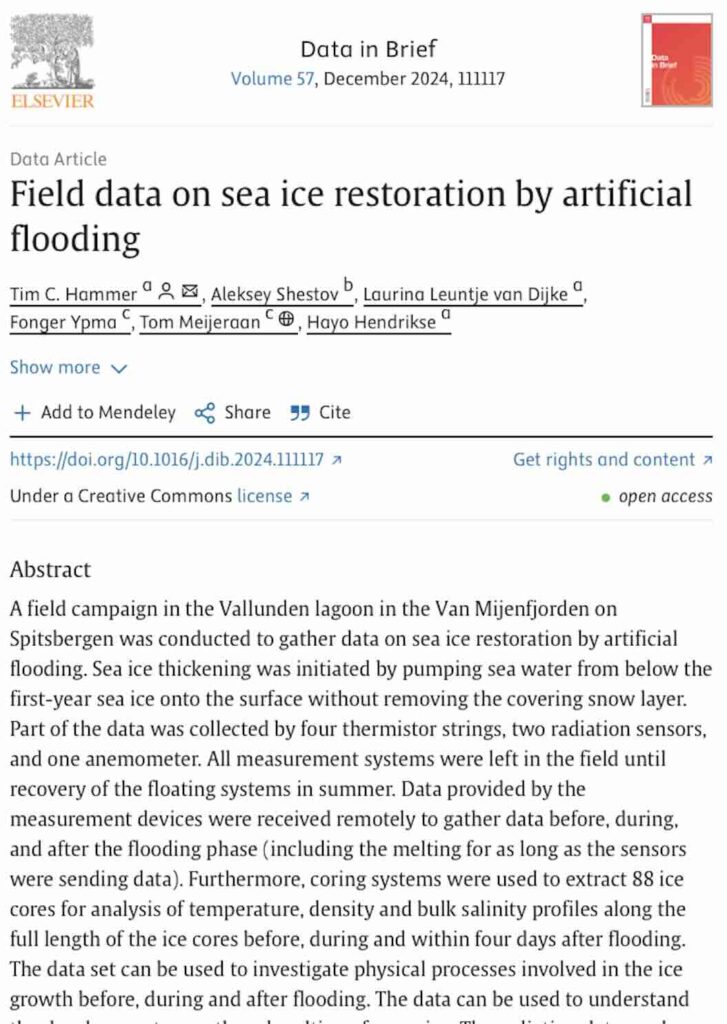
Tim C. Hammer, Aleksey Shestov, Laura van Dijke, Fonger Ypma, Tom Meijeraan, Hayo Hendrikse – Field data on sea ice restoration by artificial flooding (2024)
Arctic Reflections – Evaluation of Environmental Effects of field test operations in the Van Meijenfjord, Svalbard (2025)
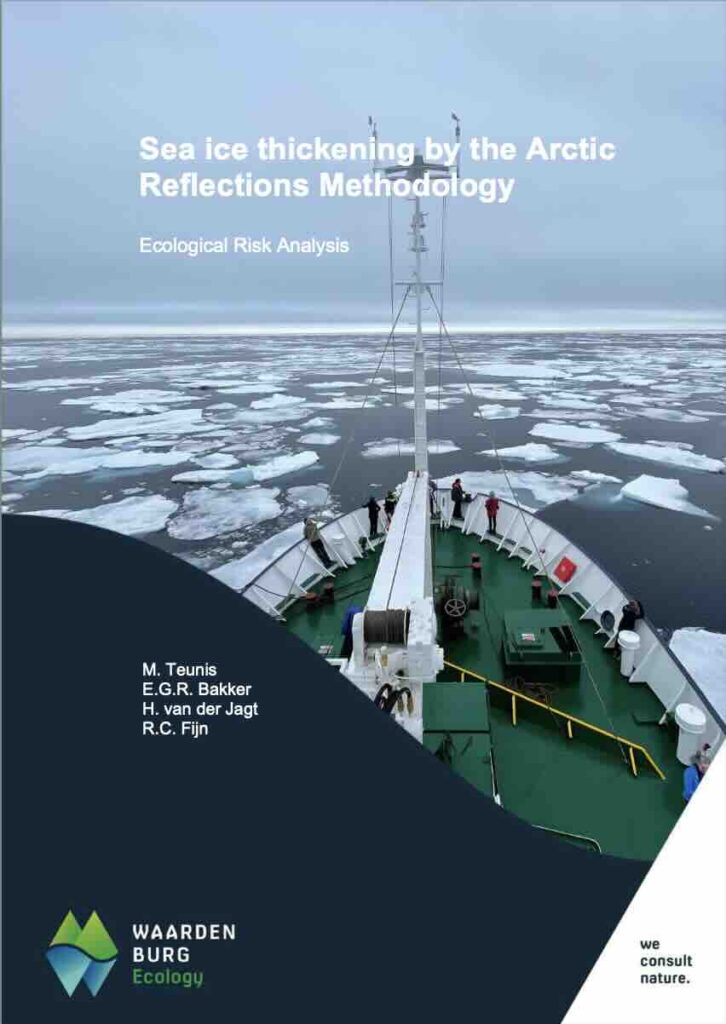
M. Teunis, E.G.R. Bakker, H. van der Jagt, R.C. Fijn – Ecological Risk Analysis, Sea Ice Thickening by the Arctic Reflections Methodology (2023)
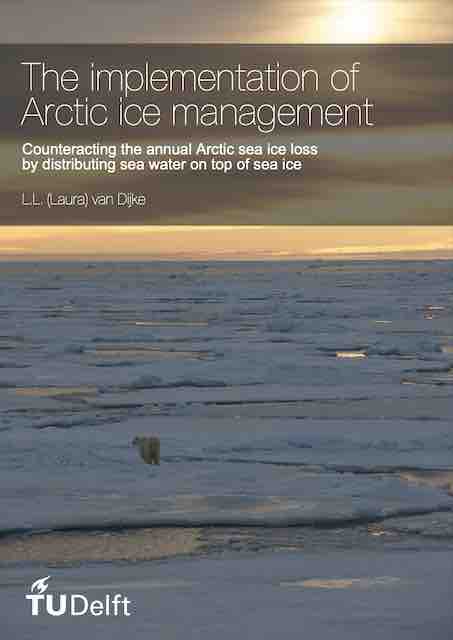
L.L. van Dijke – The implementation of Arctic ice management (2022)
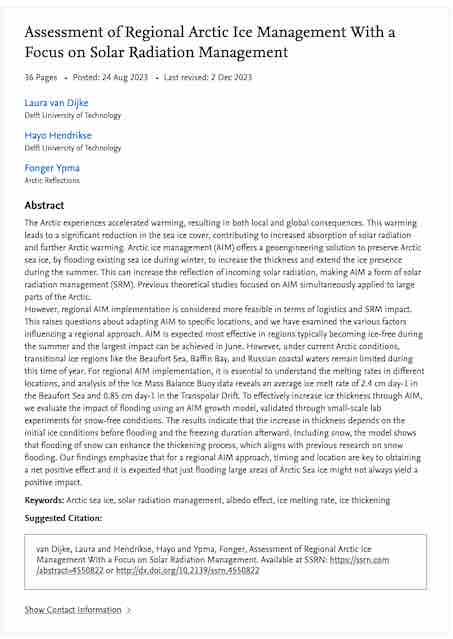
Laura van Dijke, Hayo Hendrikse and Fonger Ypma – Assessment of Regional Arctic Ice Management With a Focus on Solar Radiation Management (2023)
Recommended scientific reports
IPCC – Chapter 3 Polar Regions (2022)
Steven J Desch – Arctic Ice Management (2016)
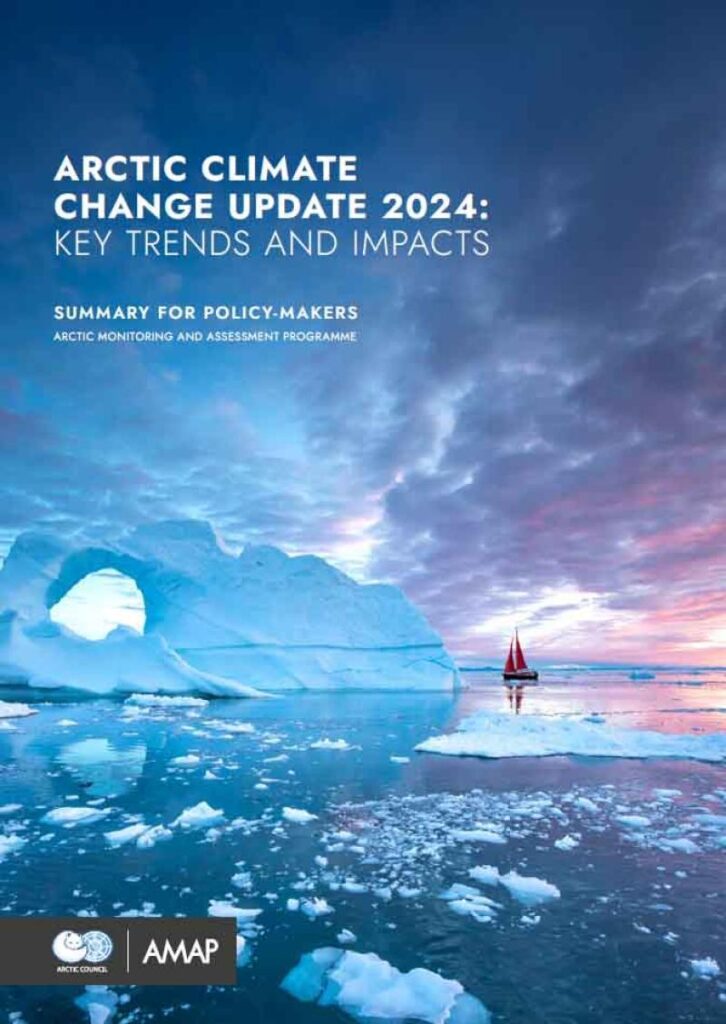
AMAP- Arctic Climate Change Update (2024)
ICCI – State of the Cryosphere (2022)
Andrew G. Pauling & Cecilia M. Bitz – Arctic Sea Ice Response to Flooding of the Snow Layer in Future Warming Scenarios (2021)
CCAG – A Global State of Emergency (2021)
NOAA – Arctic Report Card (2025)