
Arctic ice is melting rapidly and irreversibly, but we can do something about it
Global warming has reduced the Arctic sea ice volume already by 75% over the last 40 years, and even in the most optimistic carbon emissions reduction scenarios, the Arctic sea is expected to experience ice-free summers as early as the thirties.
This will further accelerate the climate crisis and start a series of devastating feedbacks, since the Arctic sea ice functions as the earth’s refrigerator by reflecting the sun’s heat back into space.
We aim to restore the Arctic ice as heat shield by thickening the ice in winter through pumping sea water on top of it in strategically chosen locations across the Arctic Sea
Latest News
-
·
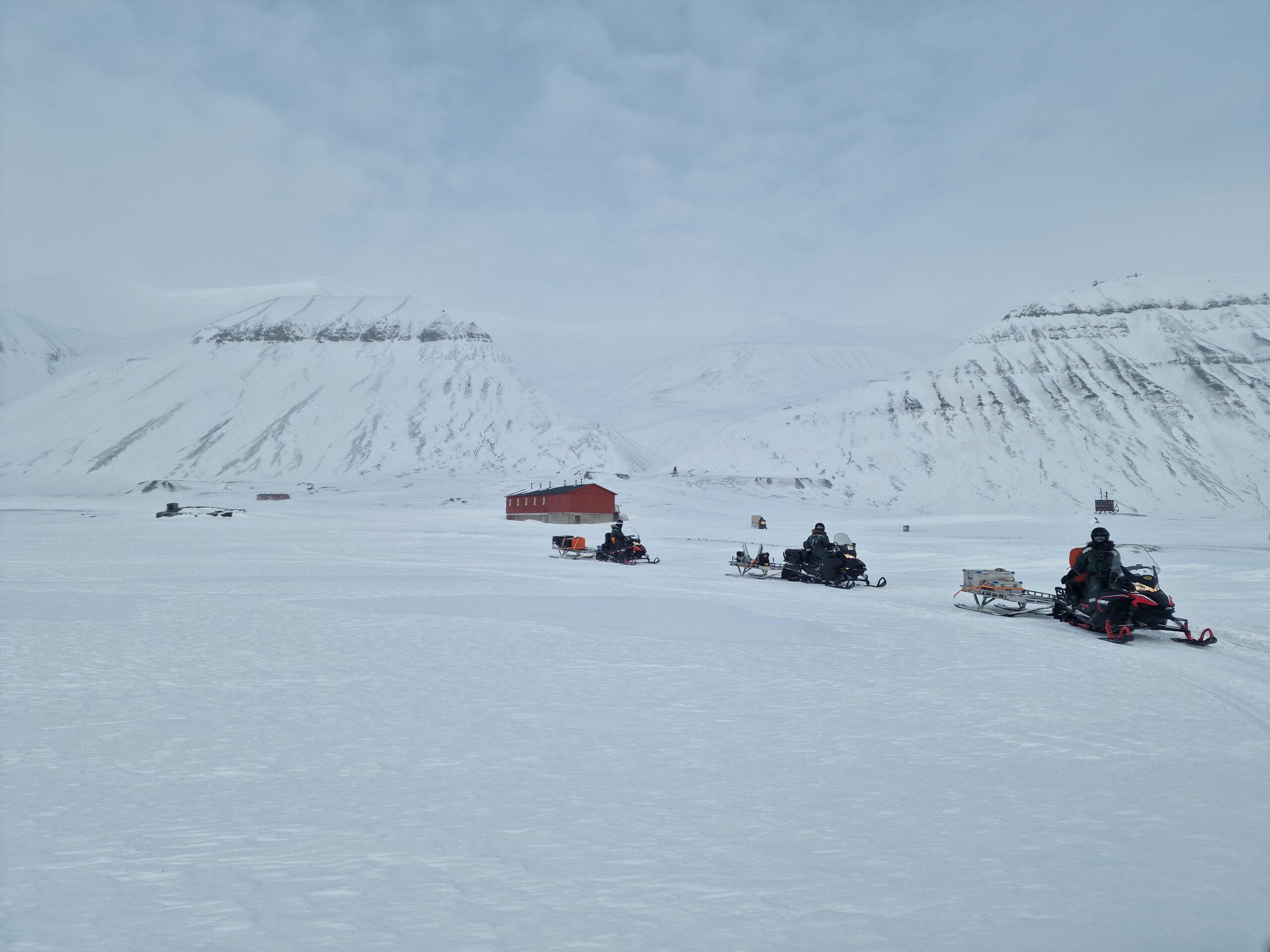
Arctic Reflections embarks on its third field test
Arctic Reflections is embarking on its third field test in the Baffin Bay area in Nunavut, Canada. Our first field test was conducted in Svalbard, followed by one in Newfoundland. For this field test, we are grateful to be welcomed by the local Inuit community, and we are looking forward to collaborating with them and learning from their lived…
-
·
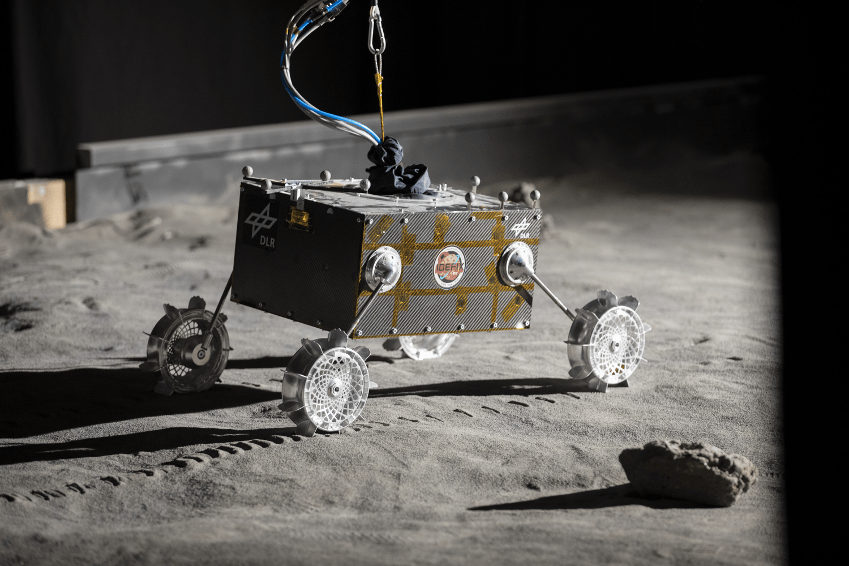
What do asteroids and the Arctic have in common?
At first glance, asteroids, comets and the Arctic may appear to have little in common. However, they are not as different as they might appear. In this blog, Samuele Zannoni, our new engineering intern, writes about exploring these commonalities through his work at Arctic Reflections. I graduated in Space Engineering at Politecnico di Milano last year,…
-
·
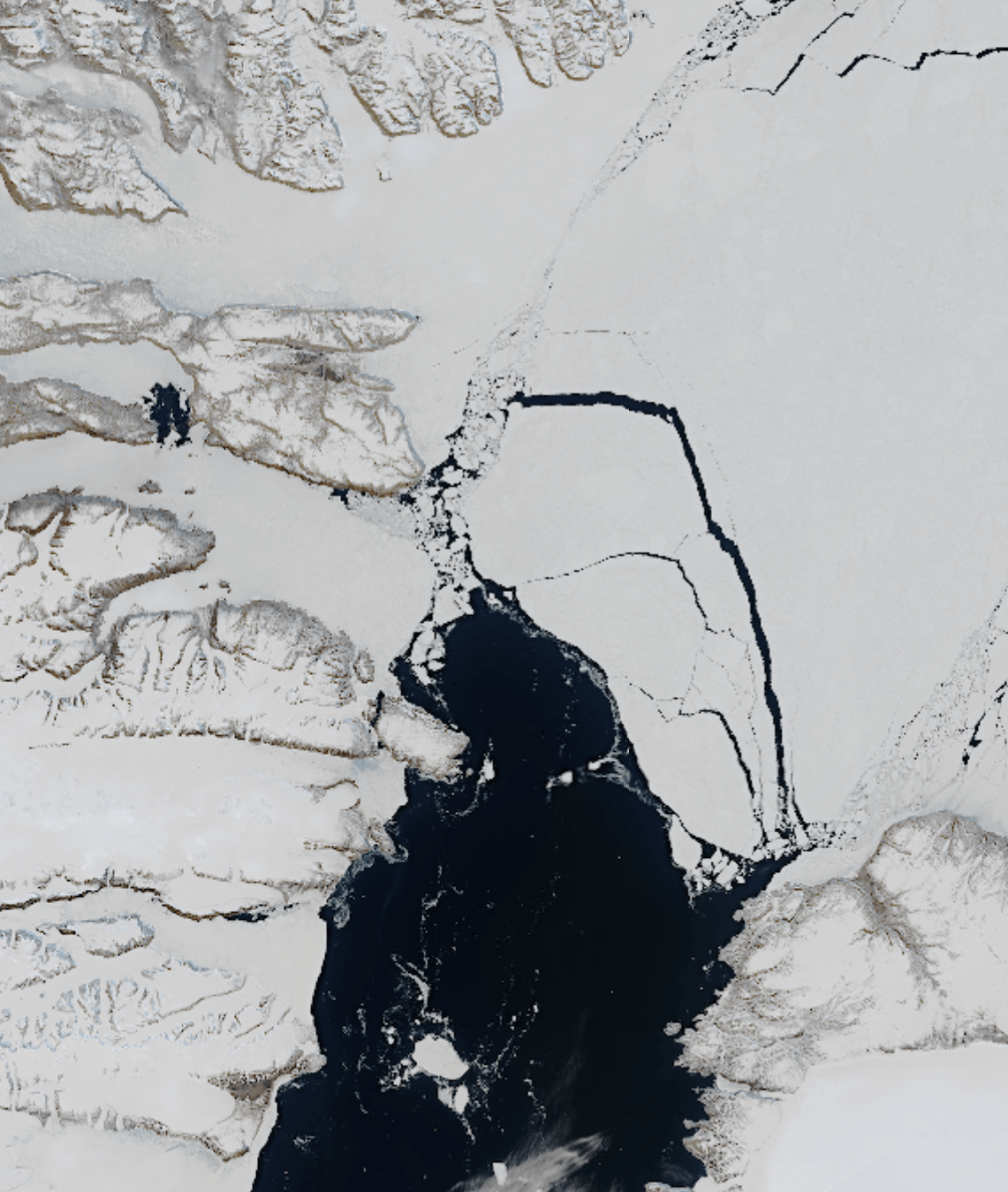
Keep it in the Arctic: Preserving Arctic sea ice by limiting ice export
In recent field tests, we’ve been exploring the feasibility of preserving Arctic sea ice by pumping water onto existing sea ice. Thicker ice is more structurally resilient and better able to survive the increasingly warm summer months. This extra duration enables more solar energy to be reflected back into space – energy that would otherwise…
Our Story
While restoring Arctic ice cannot replace the urgently needed reduction of carbon emissions, it is a crucial measure to avert the devastating feedback loops that come with Arctic sea ice loss.
Fonger Ypma
founder, Arctic Reflections
Get in touch
Don’t hesitate to reach out and ask questions, share ideas, or explore collaborations with the Arctic Reflections team. We’d love to hear from you and connect!