-
Arctic Reflections embarks on its third field test

·
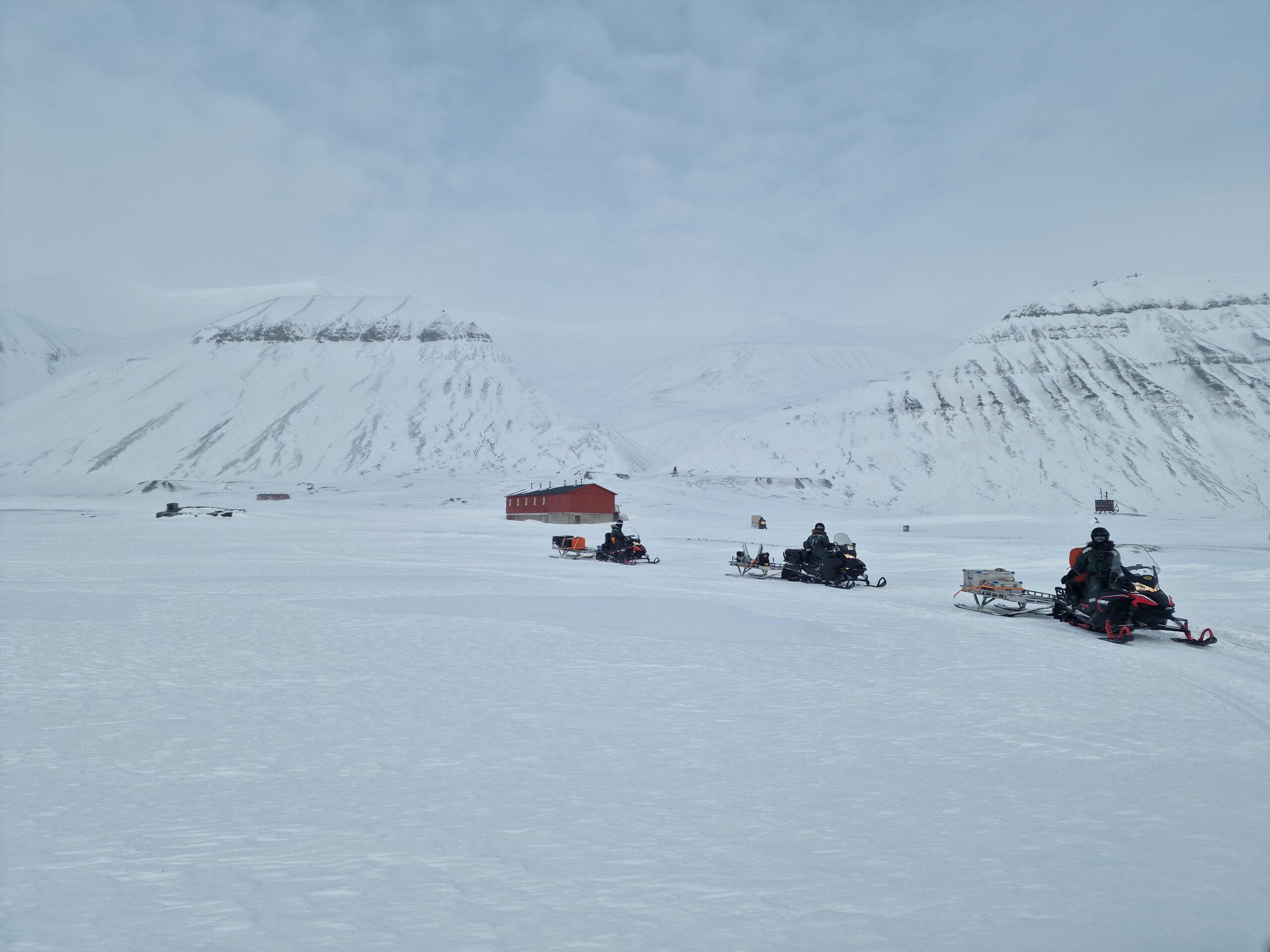
Arctic Reflections is embarking on its third field test in the Baffin Bay area in Nunavut, Canada. Our first field test was conducted in Svalbard, followed by one in Newfoundland. For this field test, we are grateful to be welcomed by the local Inuit community, and we are looking forward to collaborating with them and learning from their lived…
-
What do asteroids and the Arctic have in common?
·
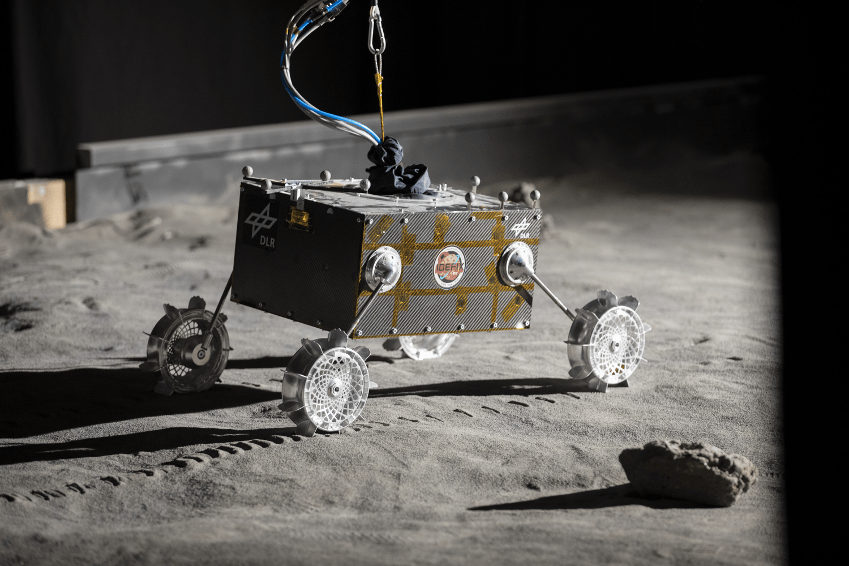
At first glance, asteroids, comets and the Arctic may appear to have little in common. However, they are not as different as they might appear. In this blog, Samuele Zannoni, our new engineering intern, writes about exploring these commonalities through his work at Arctic Reflections. I graduated in Space Engineering at Politecnico di Milano last year,…
-
Keep it in the Arctic: Preserving Arctic sea ice by limiting ice export
·
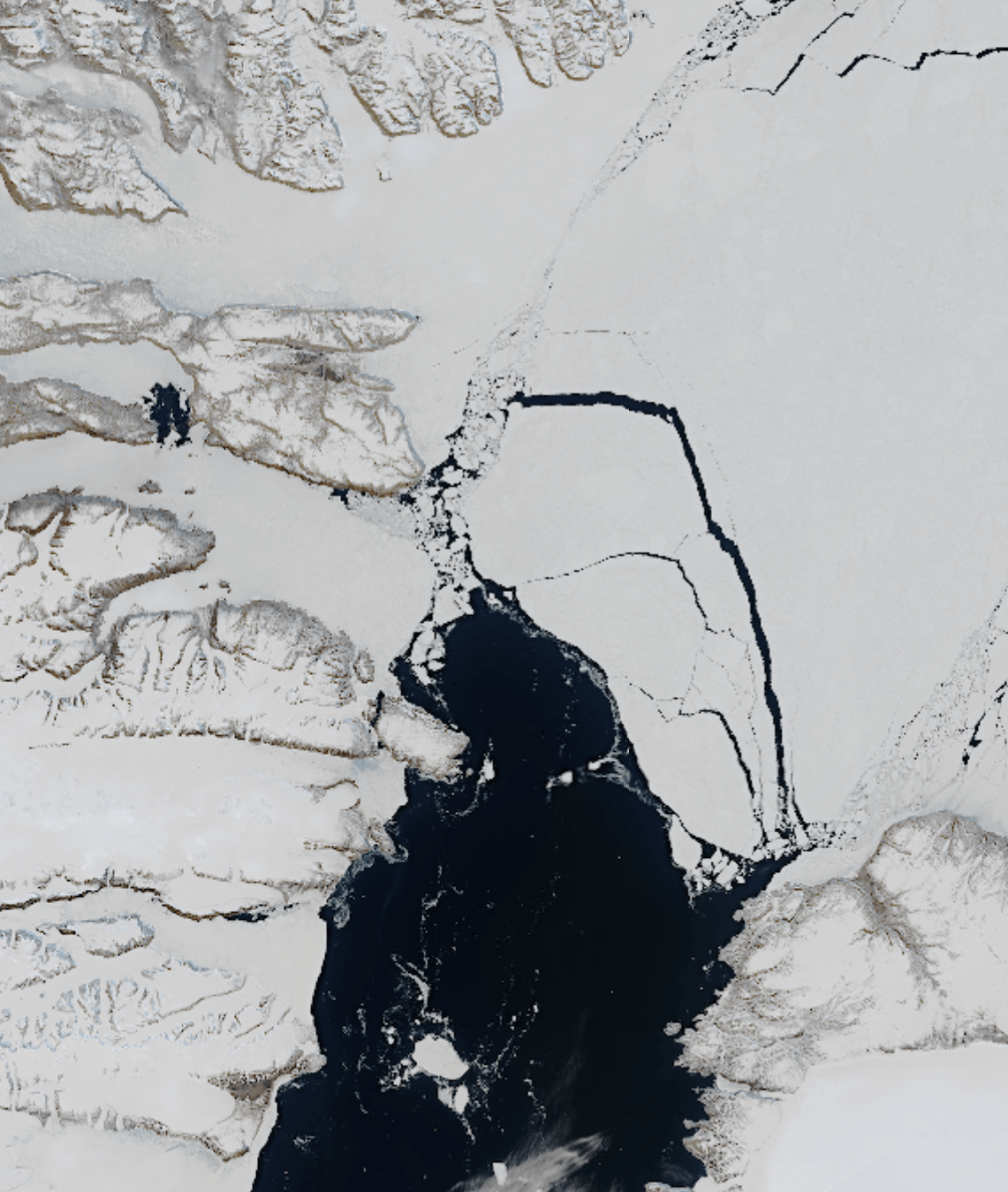
In recent field tests, we’ve been exploring the feasibility of preserving Arctic sea ice by pumping water onto existing sea ice. Thicker ice is more structurally resilient and better able to survive the increasingly warm summer months. This extra duration enables more solar energy to be reflected back into space – energy that would otherwise…
-
Now available: Research Summary Report from the Newfoundland field test 2025
·
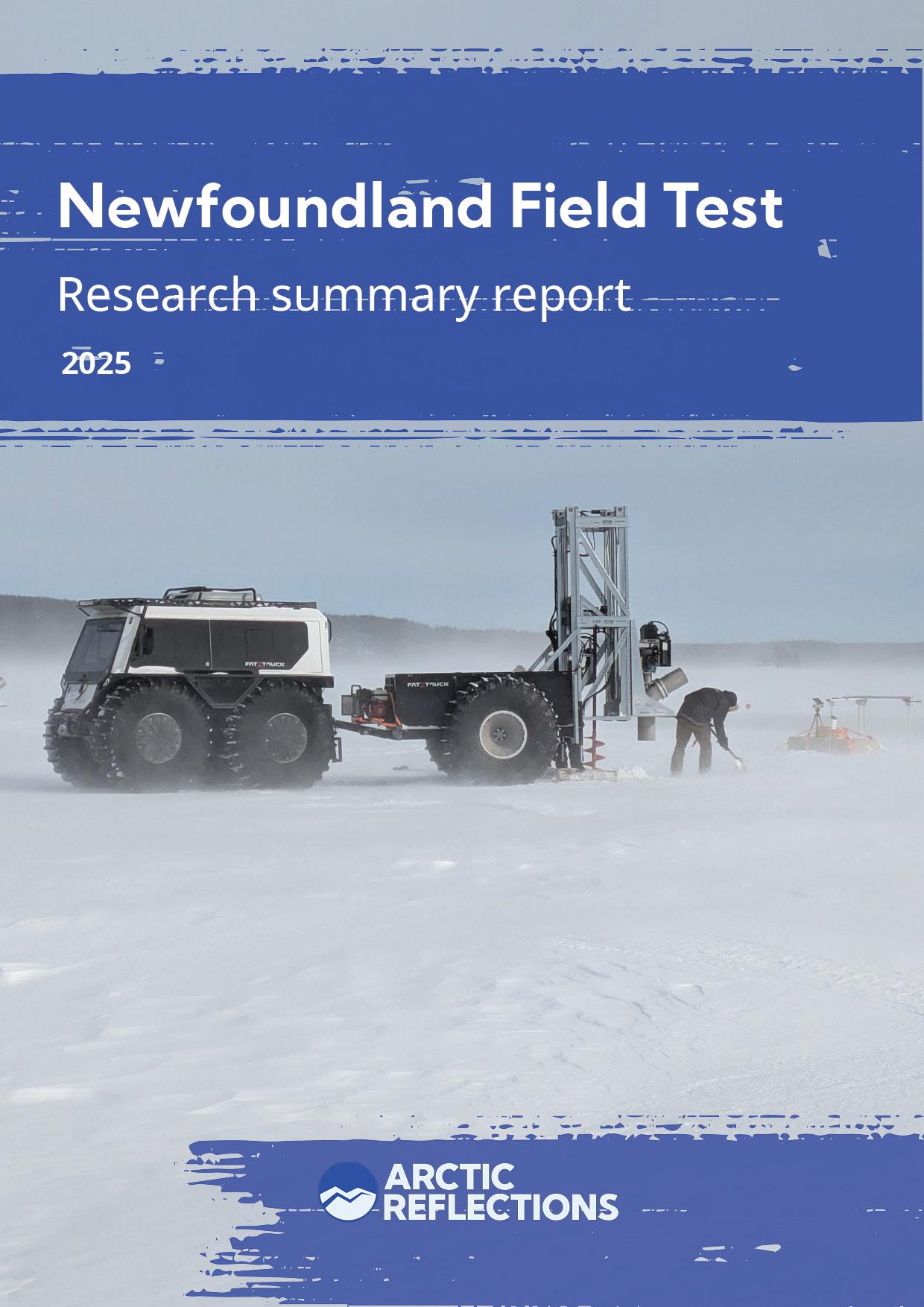
Earlier this year we conducted our second field test in Newfoundland, Canada to verify the potential impact of our ice thickening method. This field test yielded a wealth of data and observations. We summarized our findings in a Research Summary Report. You can view and download the report via the button below. If you have…
-
Ensuring effectiveness in extreme environments
·
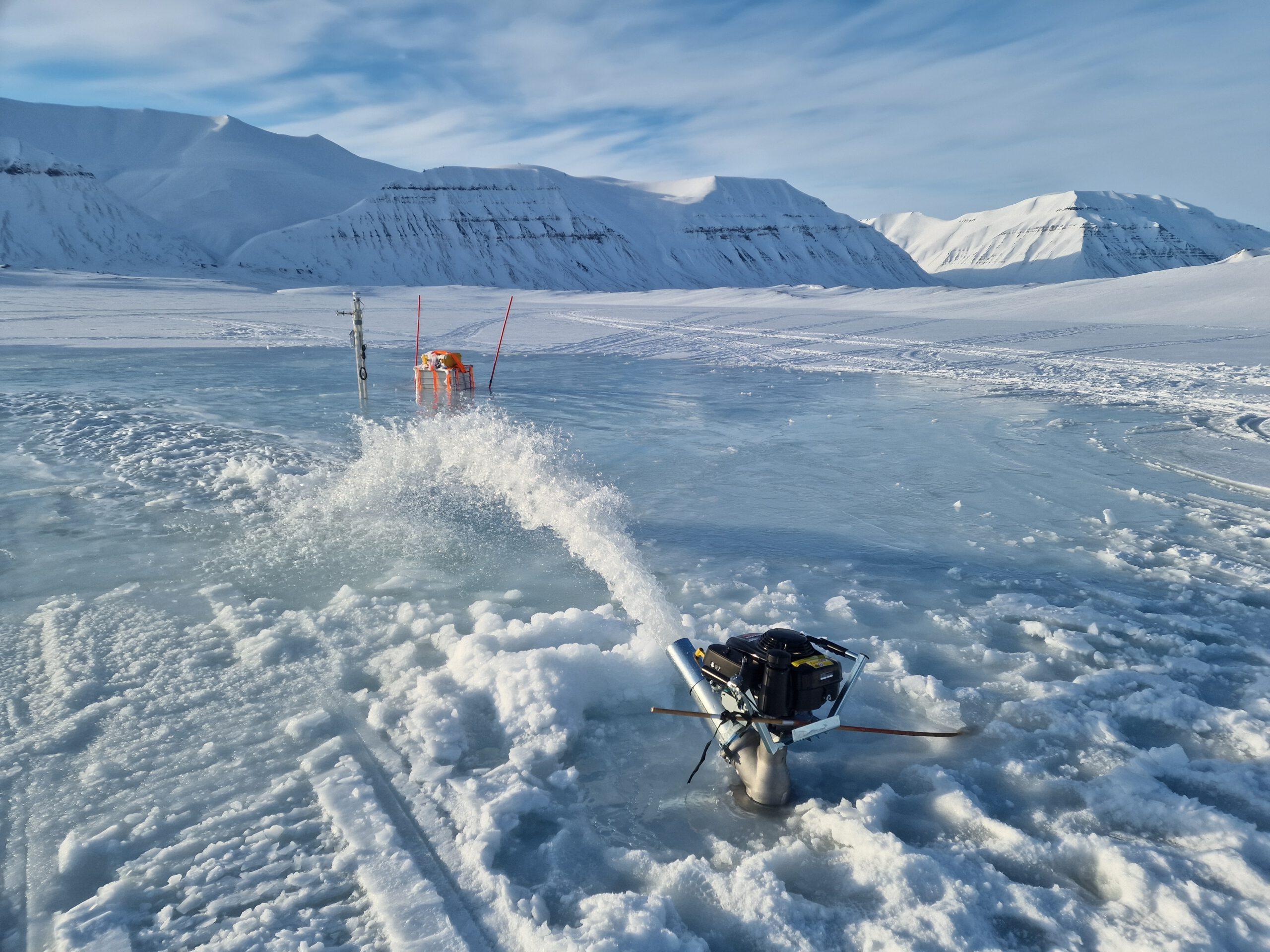
Thickening large areas of ice by pumping seawater onto it, in extreme cold conditions, presents several challenges. One of the hurdles we’ve encountered is ensuring even spread the water. To tackle this, we’ve been testing hoses to optimise the distribution of water over a large surface. We found that the rapid freezing within these distribution hoses,…
-
Insetting our carbon footprint with FincoEnergies
·
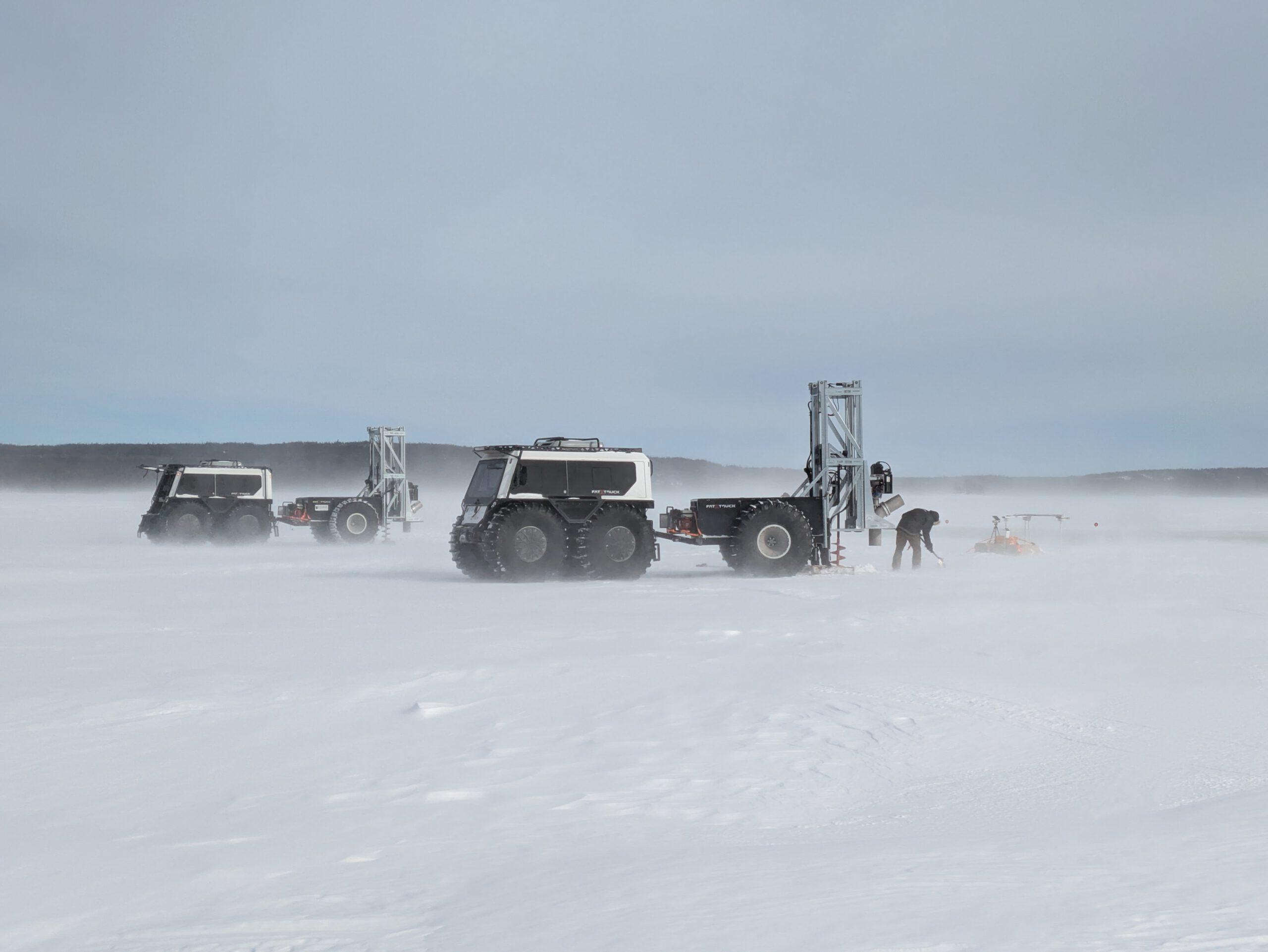
After concluding a successful field test in Newfoundland, Canada, where we were researching how we can preserve the thinning Arctic sea ice, we have been working with our partner FincoEnergies to inset all our emissions. This includes the emission from our flights (much of our team is based in Delft, The Netherlands), the emissions from the field…
-
Arctic Reflections Selected for UK Public Funding to Advance Climate Cooling Innovation

·
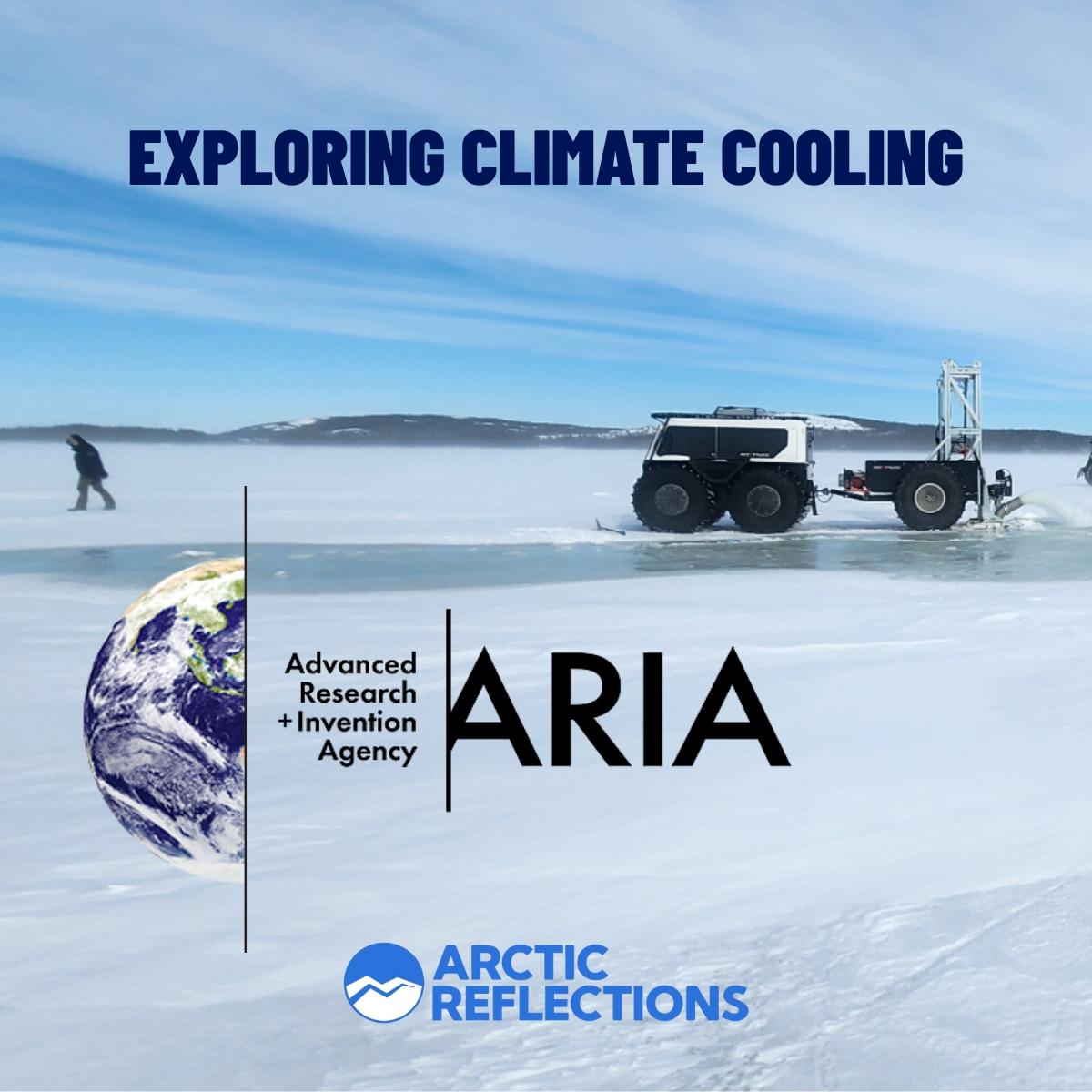
We are proud to announce that Arctic Reflections has been selected as one of the projects funded by the United Kingdom’s Advanced Research and Invention Agency (ARIA) under its groundbreaking Exploring Climate Cooling programme. This marks a major milestone in our mission to slow down Arctic sea ice loss through responsible and science-driven innovation. With £56.8 million…
-
Into the Cold: Lessons from Our 2025 Field Test in Newfoundland
·
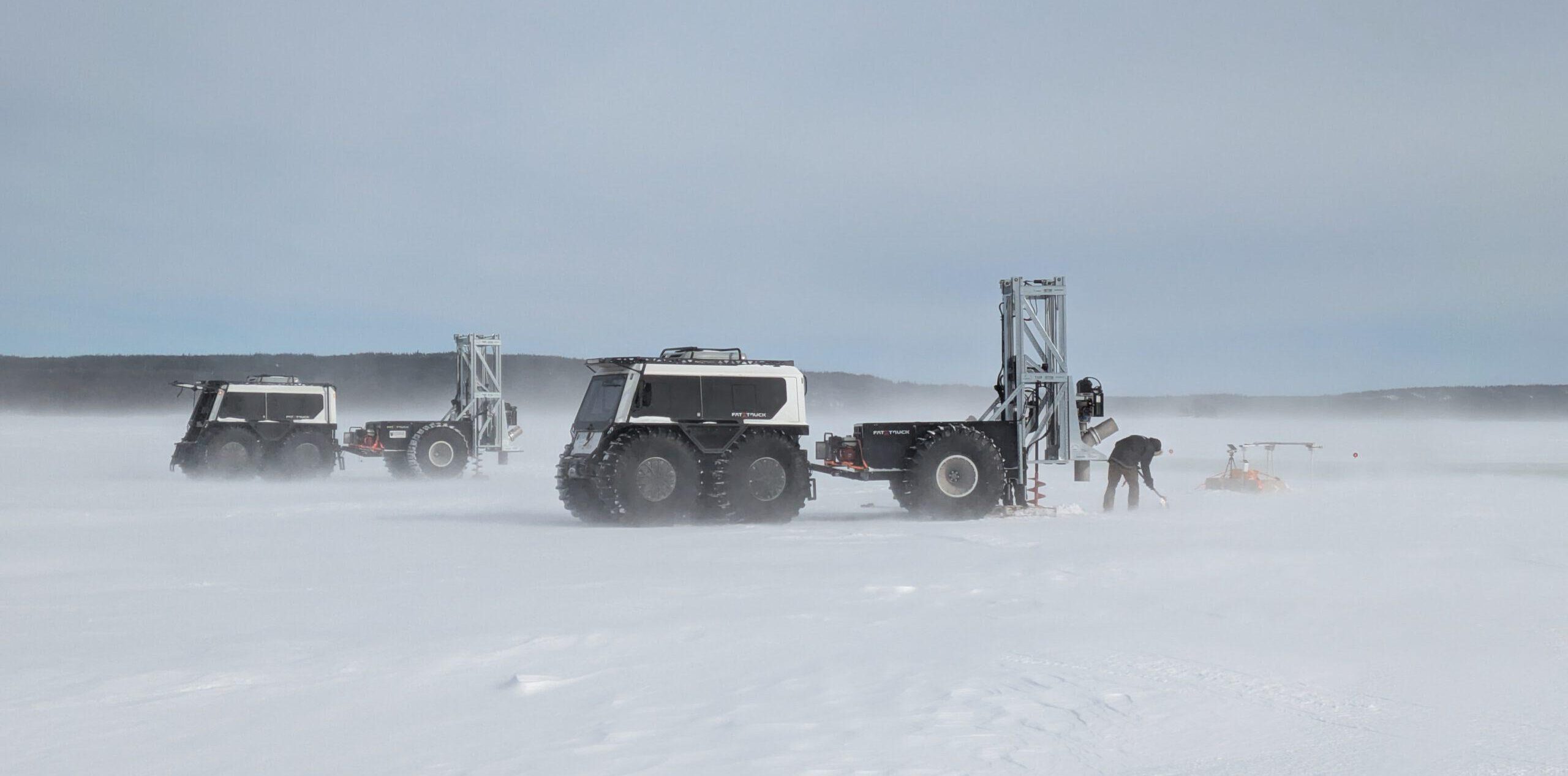
In early 2025, Arctic Reflections set out for the icy coastlines of Newfoundland, Canada, to conduct our most ambitious field test yet. Designed to push the boundaries of ice-thickening research, this mission was about more than just pumps and measurements. It was about testing resilience; of our system, of our data, and of our team.…
-
Now available: Research Summary Report of Svalbard fied test 2024
·
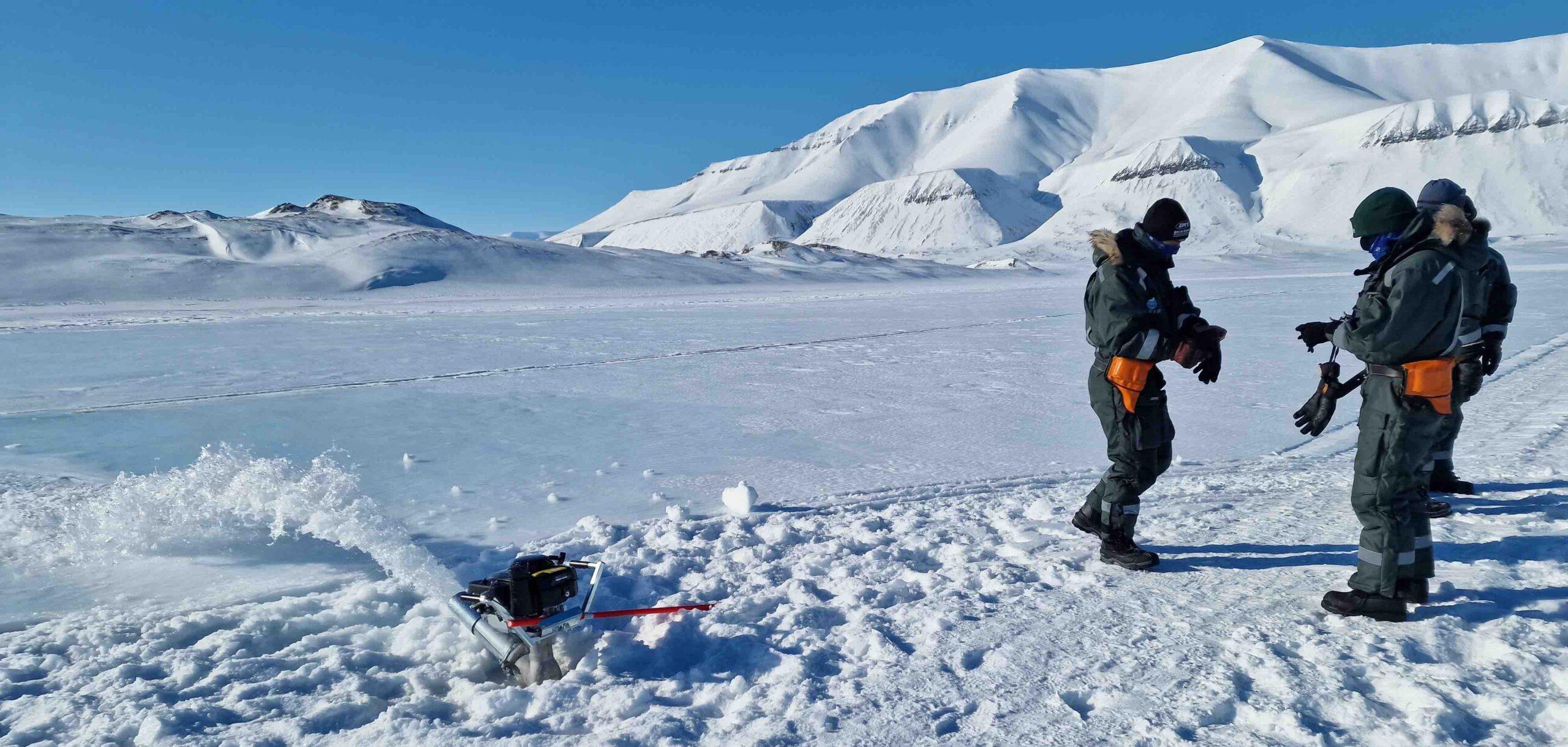
In April 2024 we conducted a field test to verify the impact potential of our ice thickening method. This was the first time this method was tried out in the Arctic in a comprehensive way, collecting a wealth of data and observations. We have summarized our findings in a Research Summary Report. This can be seen as…
-
TWD provides engineering support to thicken the Arctic Sea ice
·
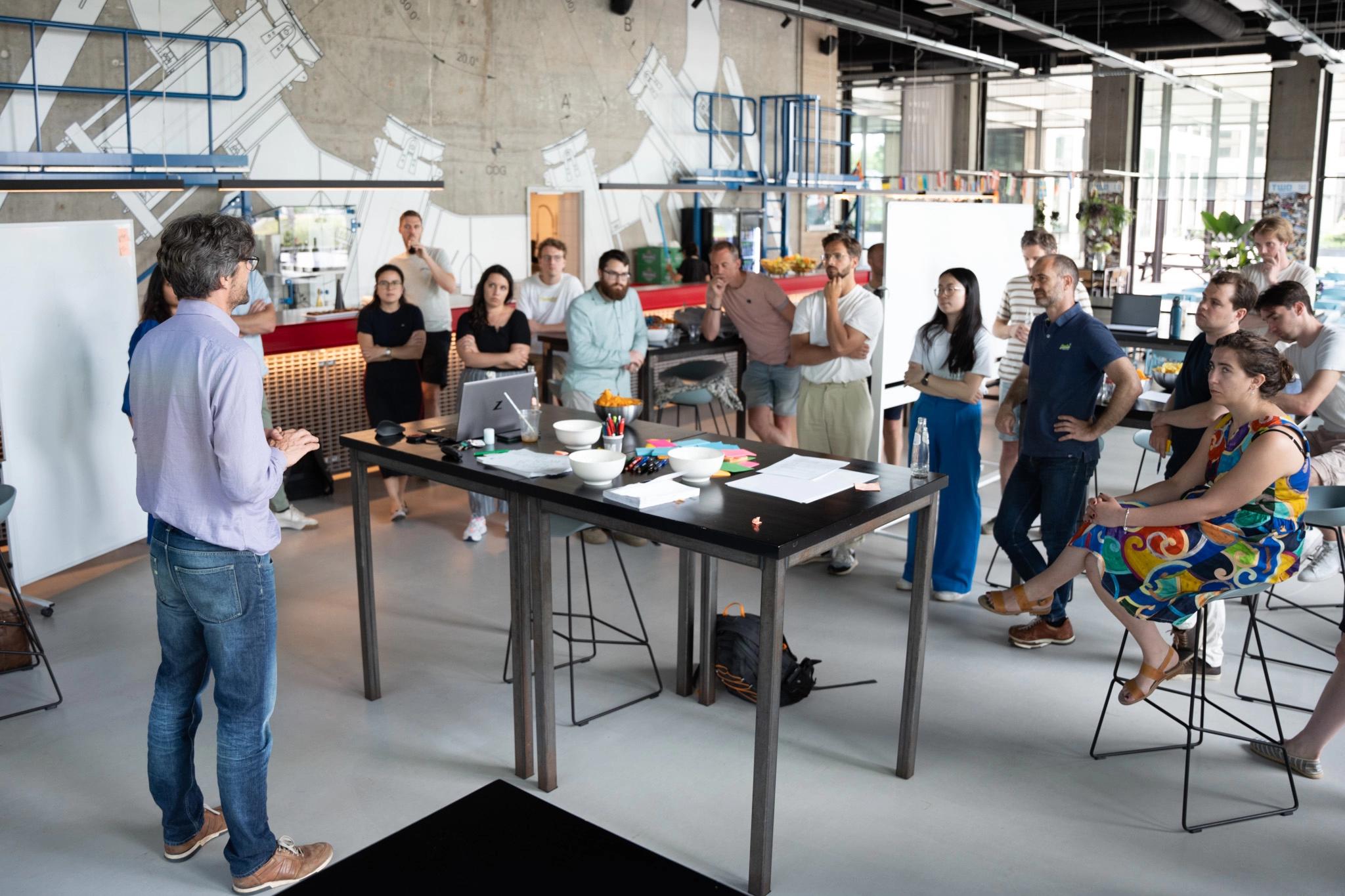
We are proud to announce a collaboration with TWD, a leading Offshore Method Engineering & Equipment Design company, to help us with our next steps towards our mission to restore Arctic sea ice. Recognizing the urgency of this issue, TWD has offered its expertise in solving complex engineering challenges with a structured approach to Arctic…
